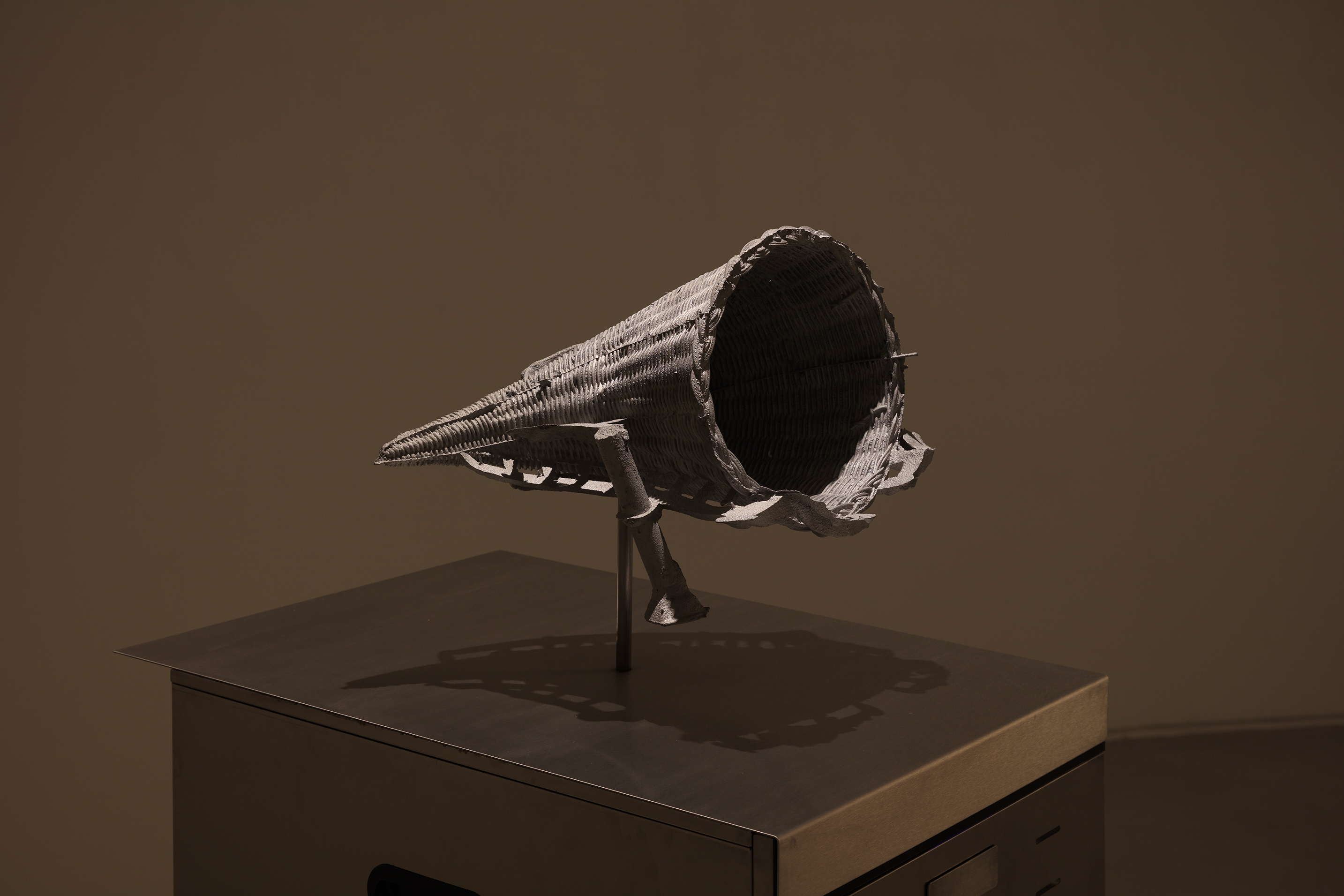


Conduit I, 2025
Cyanoptype printed photogram on fiber papper, Nielson Frame, UV70 Glass 76.5x66.5 cm
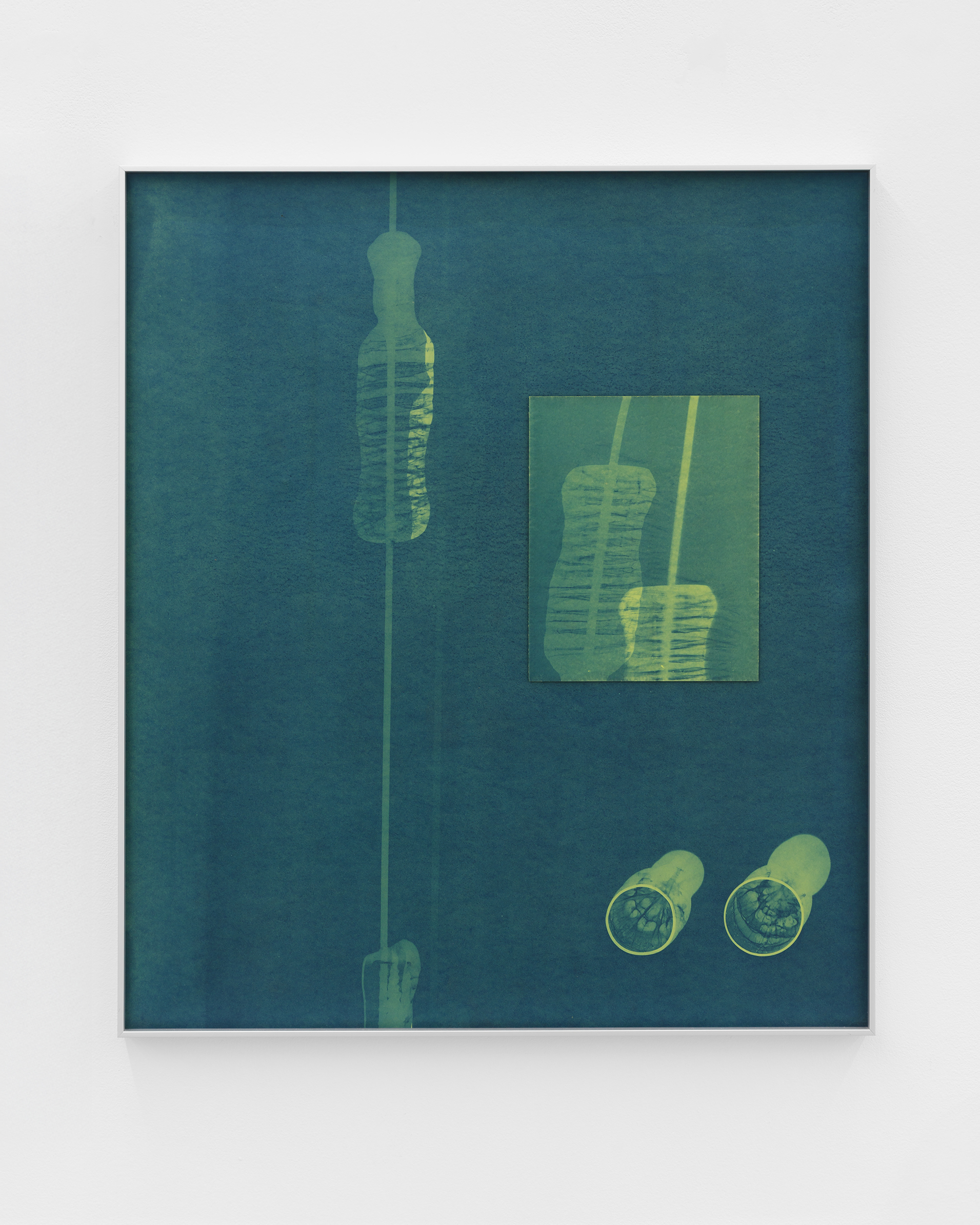
Conduit II, 2025
Cyanoptype printed photogram on fiber papper, Nielson Frame, UV70 Glass 76.5x66.5 cm
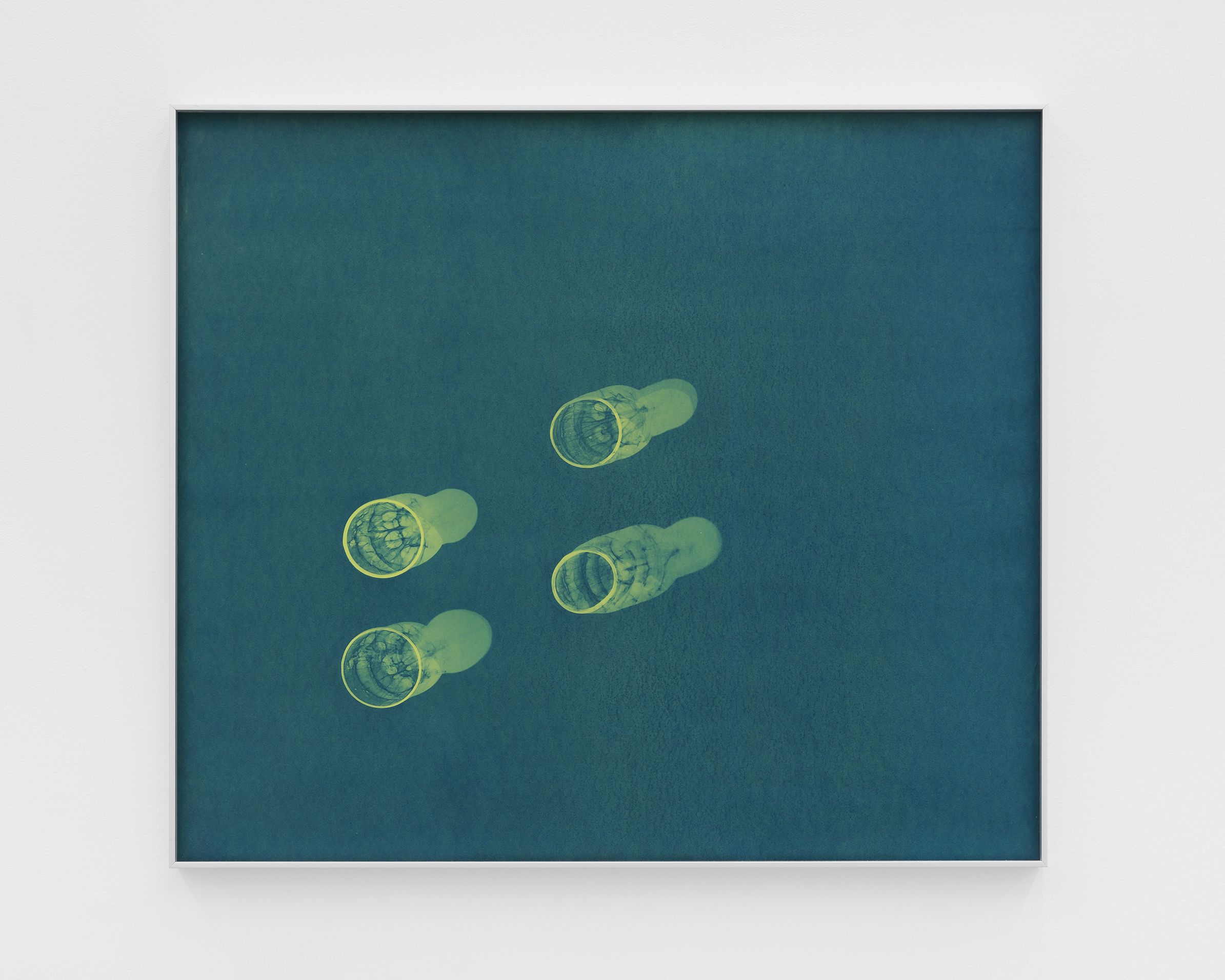
Four Bladders, 2025
Cyanoptype printed photogram on fiber papper,Nielson Frame, UV70 Glass
67.5x76.5 cm
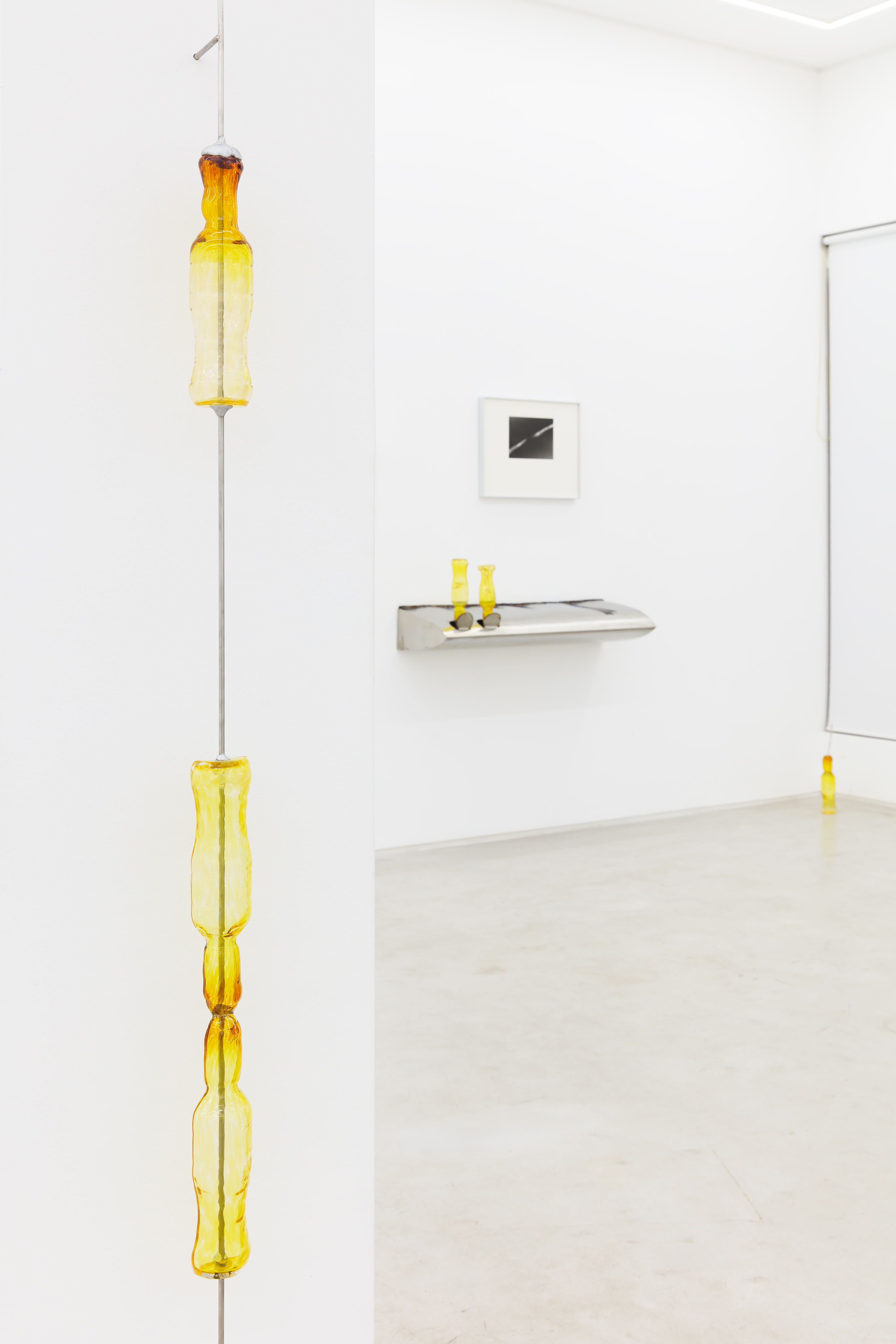


Urethra, 2025
Stainless steel, Blown glass, Epoxy Putty, Liquid Metal
193x07x20 cm


Breach, 2025
Fire Printed Photogram, Nielsen Frame, UV70 Glass

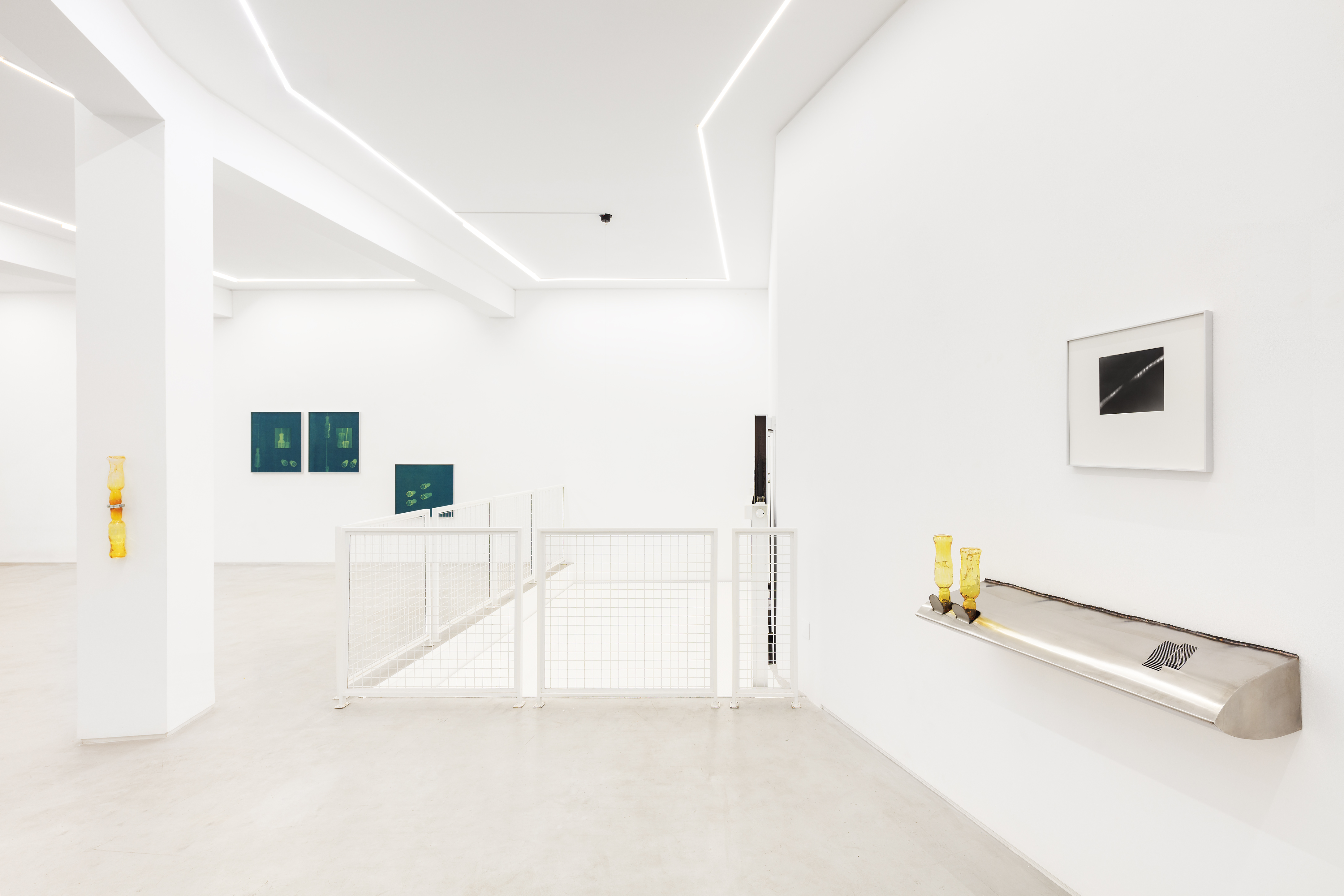
Refill, 2025
Stainless steel, Blown glass, Silver raisin

Detail of Refill, 2025

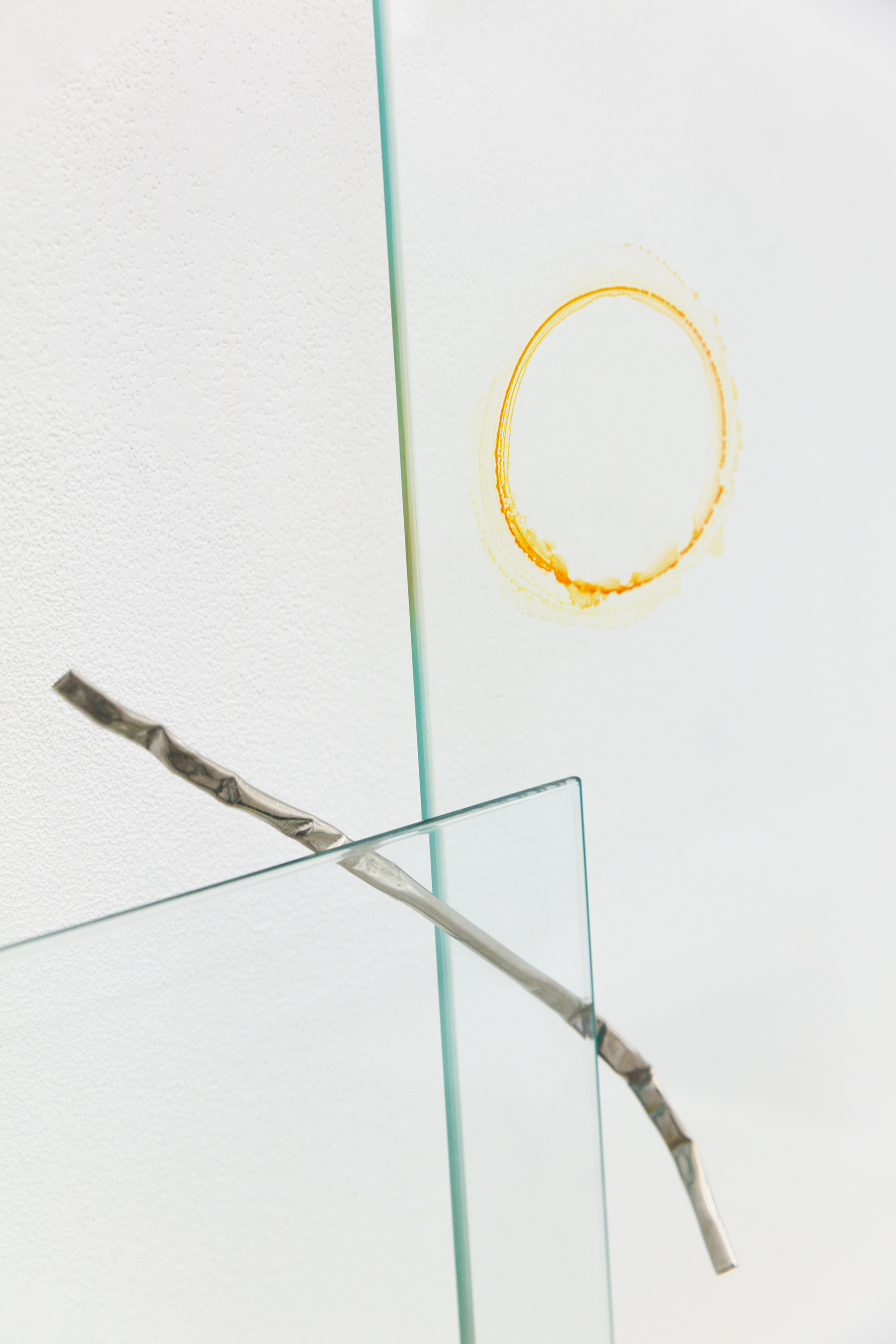
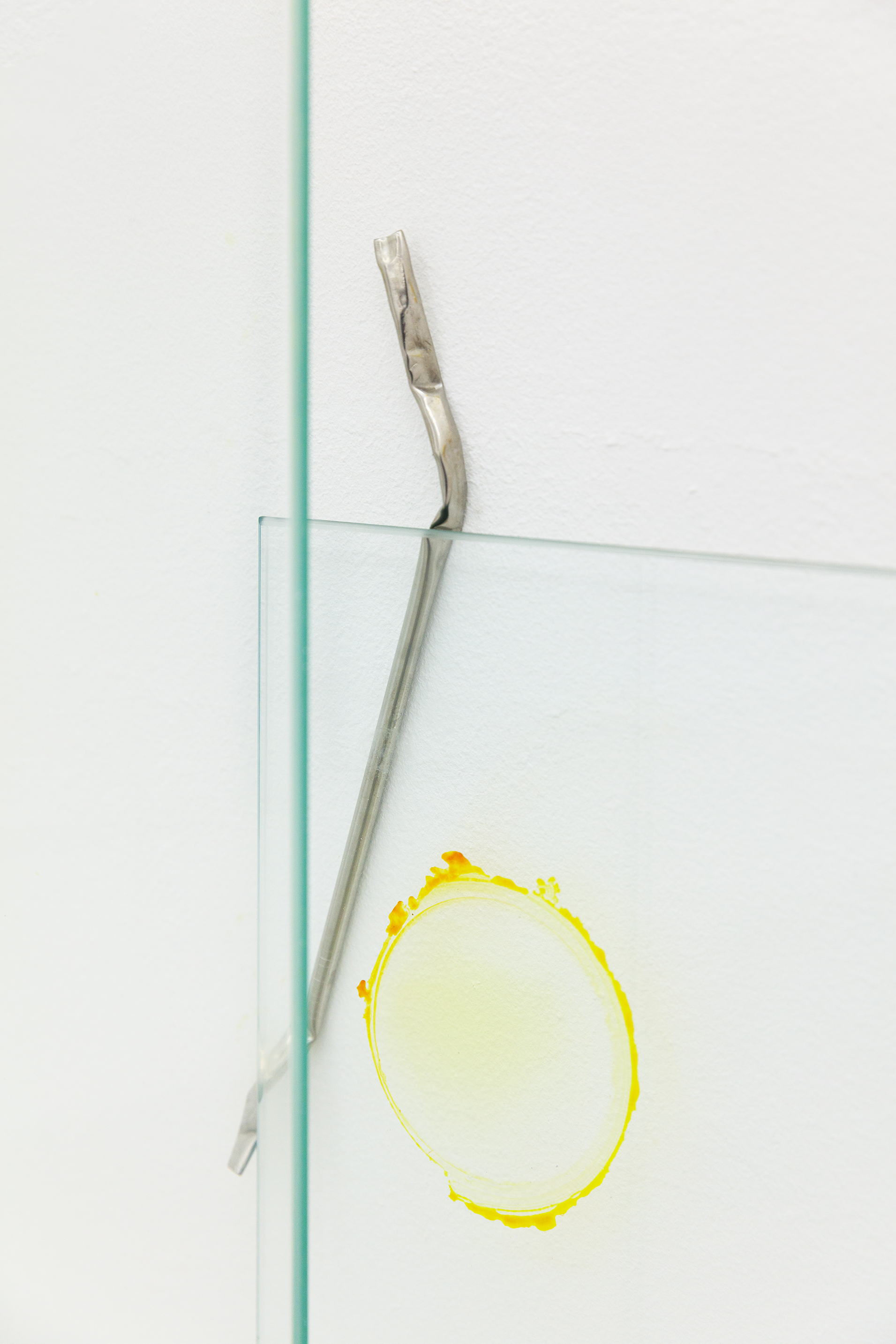
Afters, 2025
Blown Glass, Glass plate, Steel Straw, Silver Raisin, SilverGrape, Alcohol Ink, Stainless Steel
36x105x35 cm


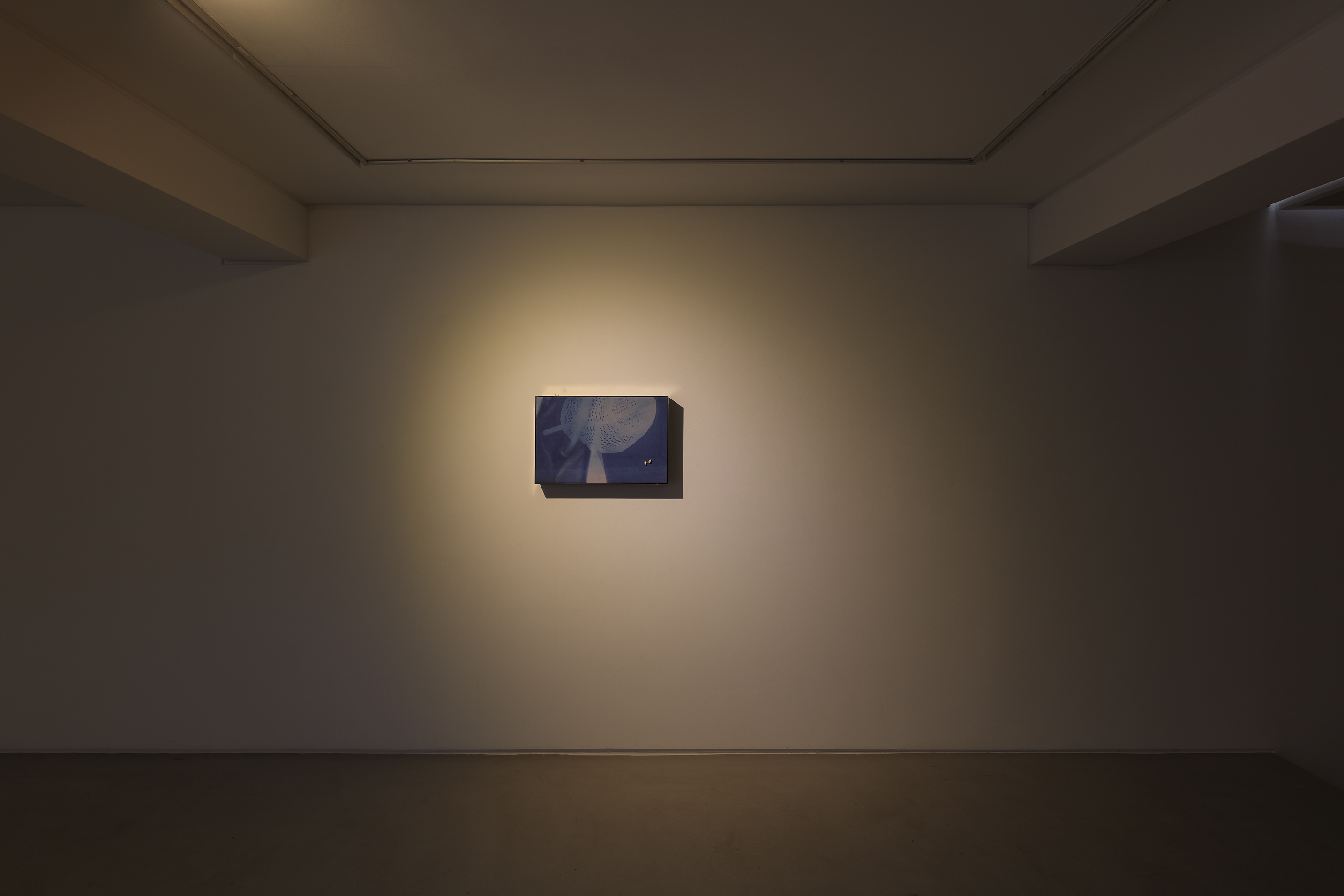
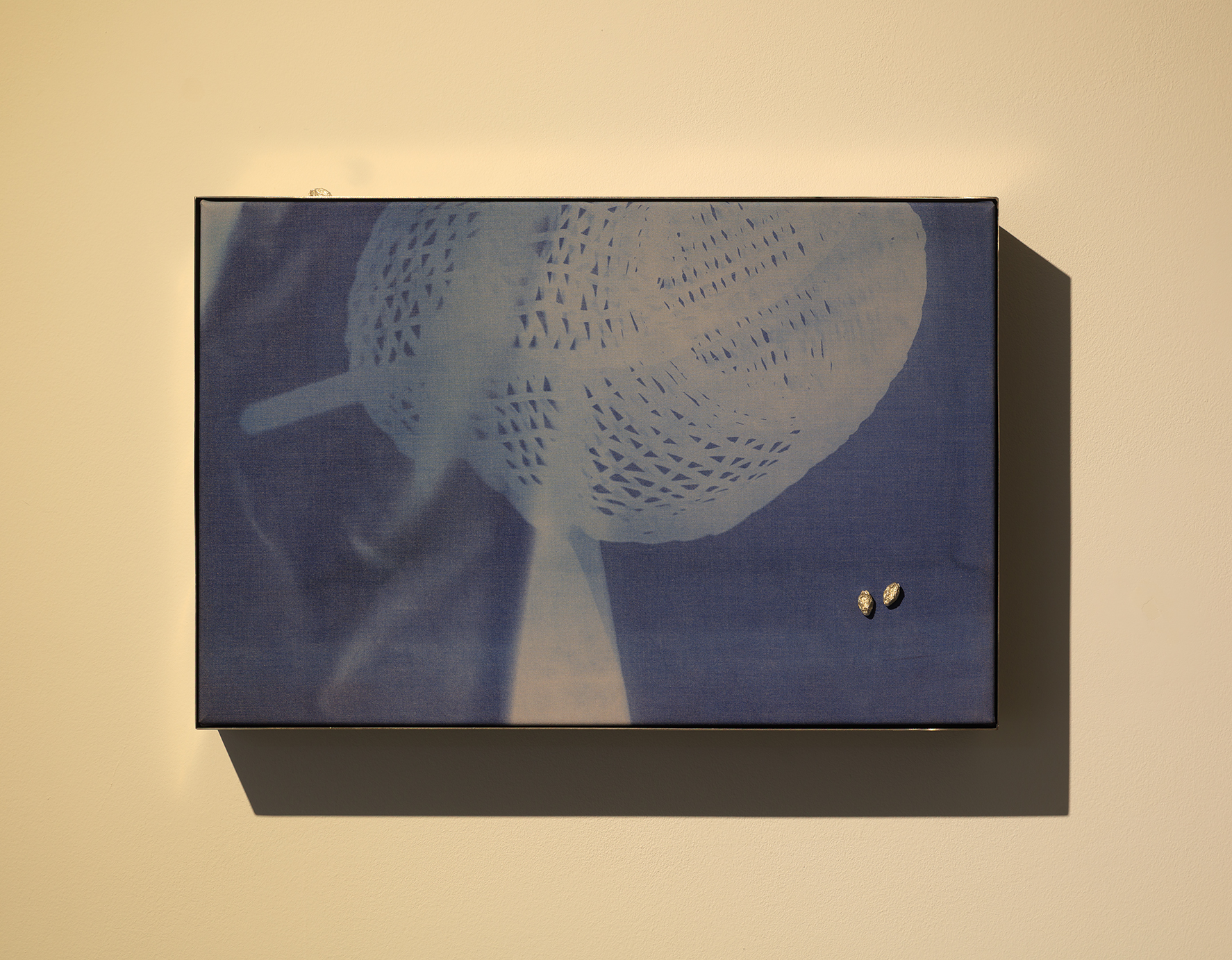
Deflator, 2025
Stainless Steel, Cyanotype Printed Photogram on Cotton, Silver Raisin
39x58,5x10 cm


Grape, 2025
Silver Grape, Light system, Cable, motor
Variable Dimensions


Basket III, 2025
Cast Aluminium
26x17x13 cm

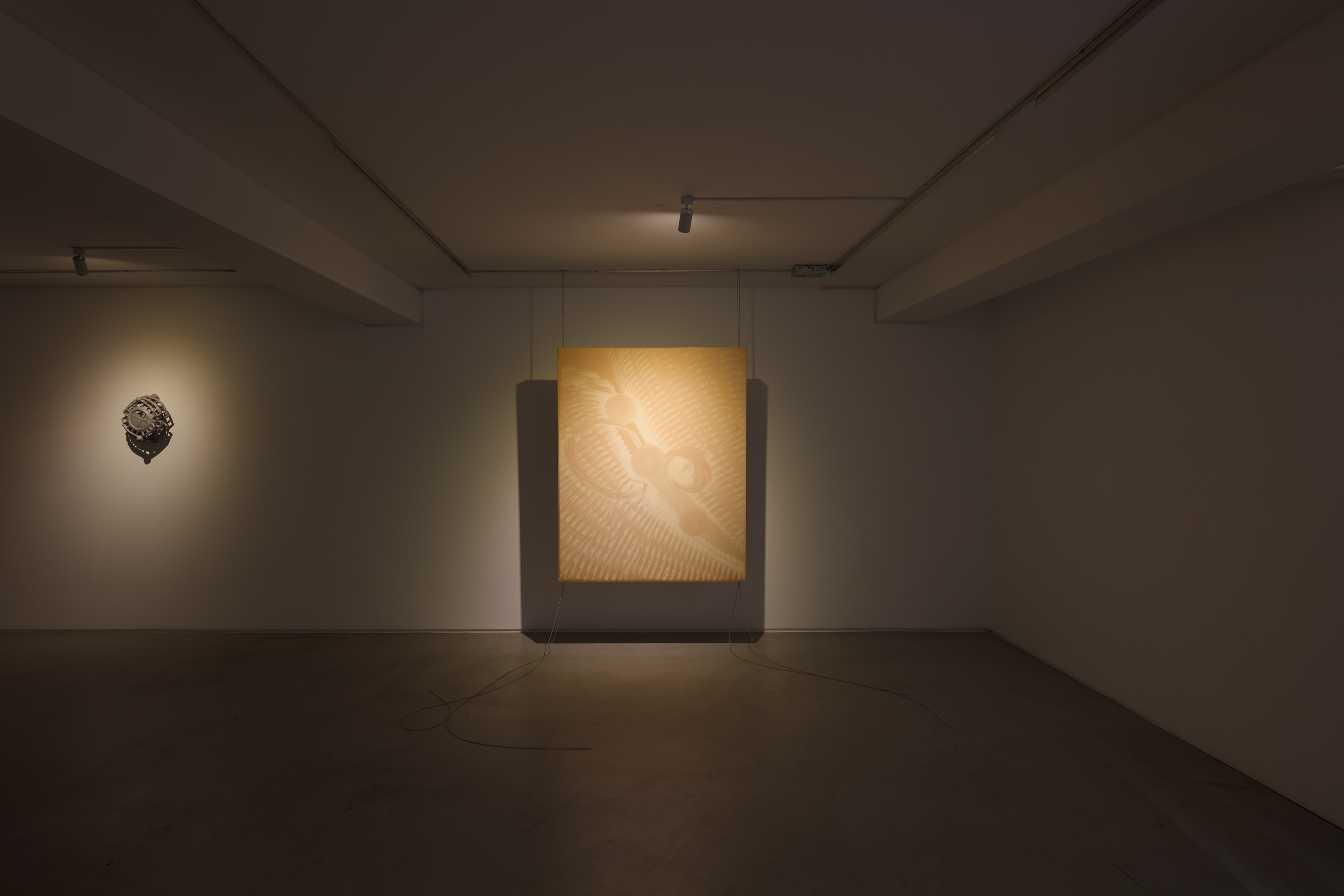
Sun-maid I, 2025
Solar Print on Polyurethane Foam, Cable, Polycarbonate
36x105x35 cm


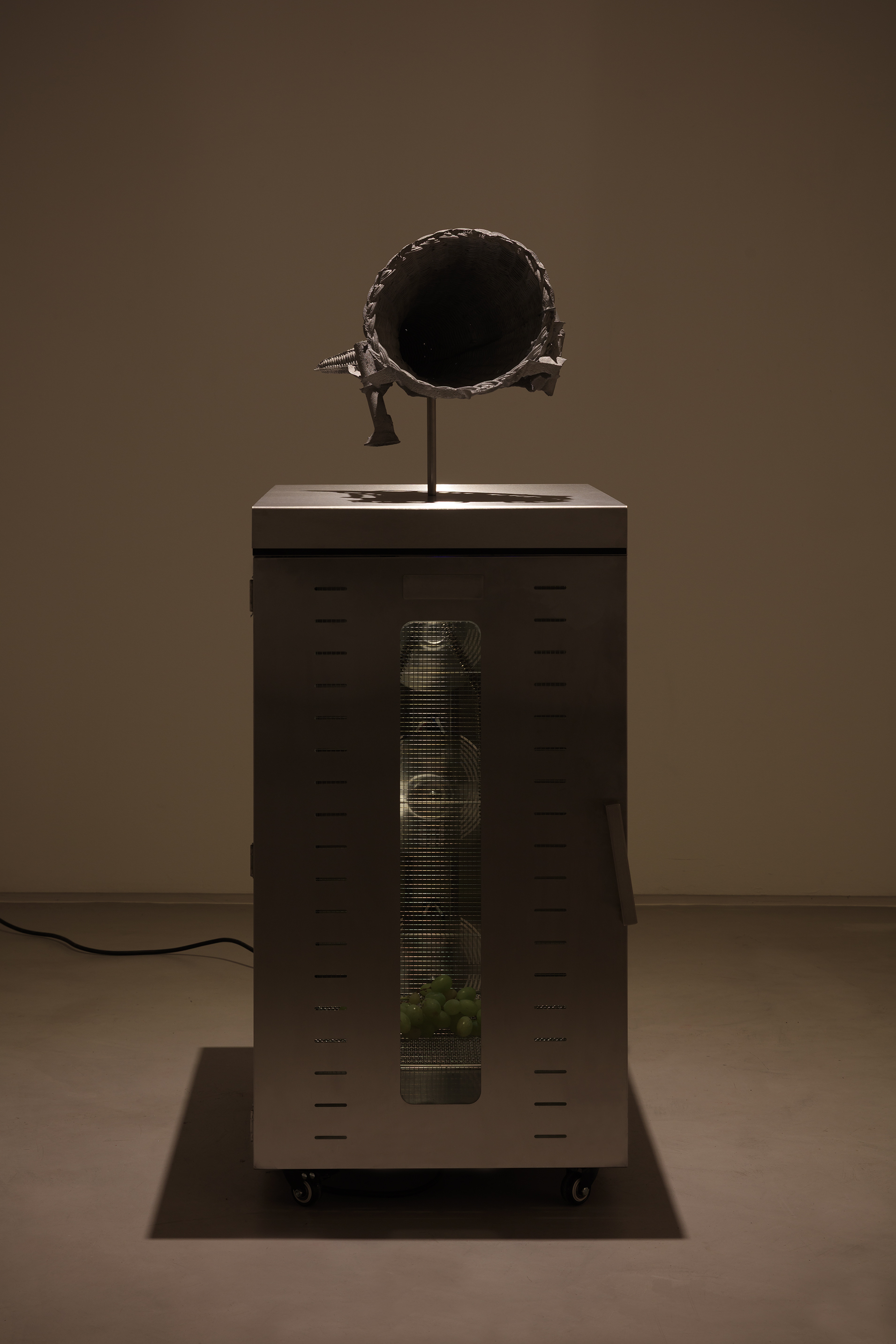
Horn of Plenty, 2025
Industrial Dehydrator, Stainless Stell, Cast Aluminium, Grapes
125x46,5x64 cm

Reservoir
Francisca Portugal
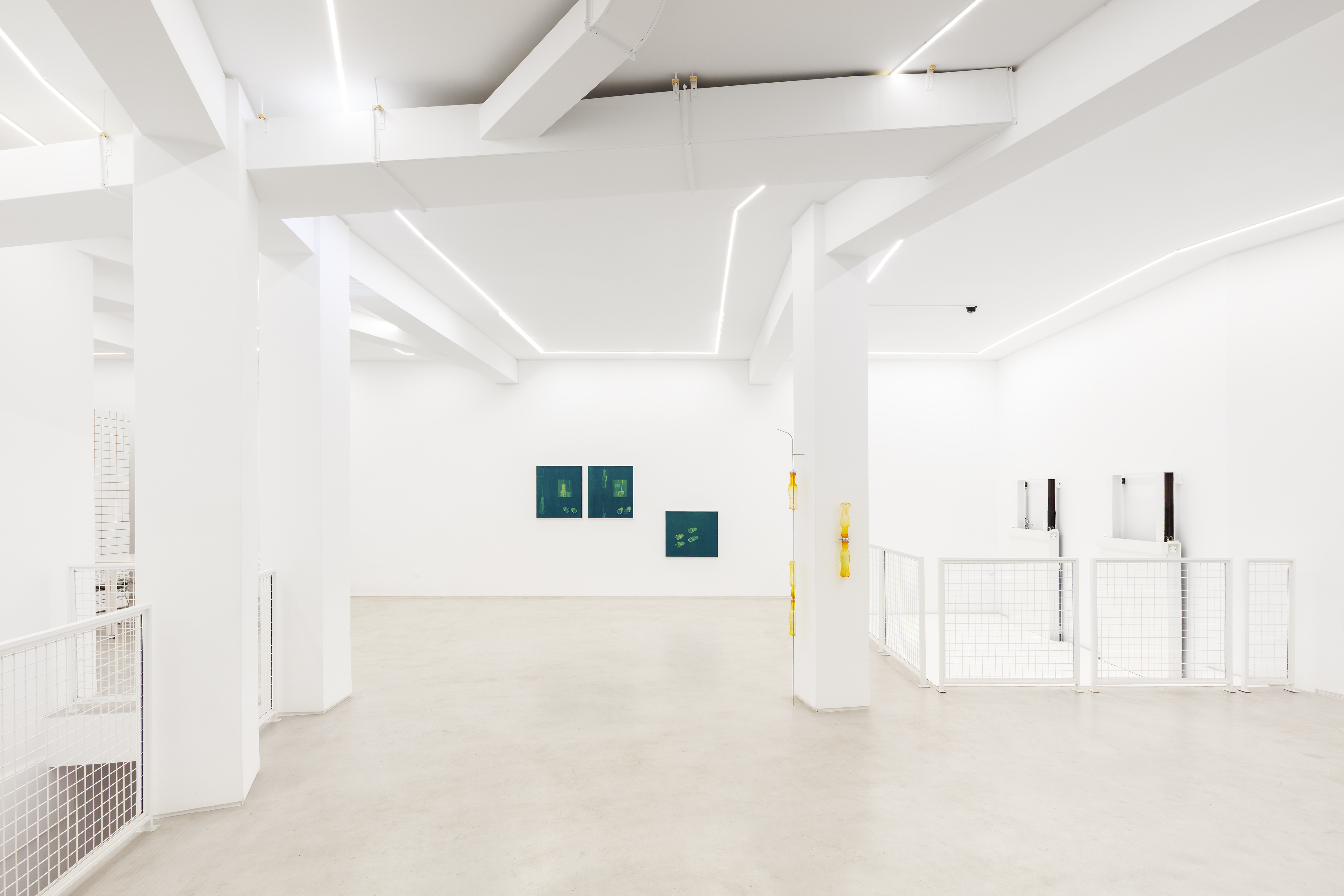
The processes of scientific research are as imperfect as the human bodies that develop them, making them inevitably fragile and incomplete. When compared, side to side, the procedural steps of scientific experimentation to those of artistic production, we find an unexpected kinship: both begin with touch as well as error. This exhibition celebrates that overlap, proposing a form of protoscience developed over the past months by the artist Gabriel Ribeiro, who has been dedicating his practice into investigating the materiality of structural systems through phenomena such as failure, chance and the action of time.
Ribeiro’s work seeks the elusive seconds in which a perfect elementary alignment of place and matter produces unexpected biomorphic discoveries. By appropriating mechanical, physical and ephemeral vocabularies, the exhibition reformulates scientific principles into aesthetic propositions: common laboratory objects including the tube, the bottle and the sphere are here dismantled, recombined and reimagined. These no longer perform their intended functions but exist as part of a speculative science, a system where mechanical behaviour, fluid circulation and the inner workings of the body overlap.
Reservoir refers both to a physical container and to a conceptual one creating a space where water as material, metaphor and absence, flows (or at least attempts to) through multiple systems. Across the gallery space, Ribeiro constructs networks of tubes, vessels and porous containers that evoke infrastructures of transport and filtration, while simultaneously sabotaging them. Water slips, evaporates, perforates and disappears, producing what the artist calls a “hydric emergency.”
The sculptural works do not aim to prove a hypothesis, instead, they embody tests, errors and transformations, revealing a tension between rigorous analysis and poetic intuition. Whether the displayed objects represent successful experiments or failed ones remains intentionally ambiguous.
This sense of crisis leads to unexpected symbols. A raisin, for instance, becomes an ode to metamorphosis: a once-smooth, glossy grape turned topographic and textured, its integrity was then redefined by loss. Similarly, the works invite us to consider containers that fail to contain, tubes that connect nowhere, and transparent surfaces altered by pigmentation or heat exposure. They evoke photographic processes without mechanical agents, chemical reactions dependent on sunlight, meteorology, but also luck and care. These objects are not accidents but strategies, deliberately destabilizing our expectations of scientific certainty and aesthetic control.
By subverting canonic methodologies and sabotaging anatomical knowledge, Ribeiro formulates his own lexicon, a hybrid of art, science and speculation. Reservoir is both an exhibition and an experimental laboratory, where systems are stressed, ruptured and recalibrated. It invites us to look closely, not for definitive answers, but for multiple entries of possibility: from the geometric to the organic, from infrastructure to the cell, from precision to the unintentional.
Francisca Portugal
September 2025